Substance use depletes the body of essential nutrients, disrupts gut health, and destabilizes the brain chemistry that regulates mood, energy, and decision-making. Rebuilding through intentional nutrition is not a supplement to recovery. It is a foundational part of it.
Why Nutrition Matters in Recovery
Addiction takes a measurable physical toll. Chronic substance use impairs nutrient absorption, damages the digestive system, and depletes the vitamins and minerals that the brain needs to function. The result is a body that is malnourished even when food is available, and a brain that struggles with mood regulation, focus, and impulse control.
Restoring proper nutrition addresses these deficits directly. A balanced diet stabilizes blood sugar, reduces inflammation, supports neurotransmitter production, and provides the raw materials the body needs to repair itself. For individuals in partial hospitalization or other structured treatment settings, nutrition is one of the most controllable factors that can accelerate healing.
Nutrients That Support Recovery
B vitamins. Support energy metabolism and cognitive function. Alcohol use in particular depletes B vitamins severely, contributing to fatigue, confusion, and mood instability.
Amino acids. The building blocks of protein, amino acids are essential for synthesizing neurotransmitters like serotonin and dopamine. Adequate protein intake supports both physical repair and mental health stabilization.
Magnesium and zinc. Both play critical roles in neurotransmitter regulation and mood stabilization. Deficiencies in either are common among individuals with substance use histories.
Antioxidants. Found in fruits and vegetables, antioxidants combat the oxidative stress that substance use intensifies. Research from Harvard Medical School confirms the direct link between diet quality and mental health outcomes.
Omega-3 fatty acids. Found in fish, walnuts, and flaxseed, omega-3s reduce inflammation and support brain function. They are especially important for individuals recovering from alcohol or stimulant use.
Foods to Prioritize
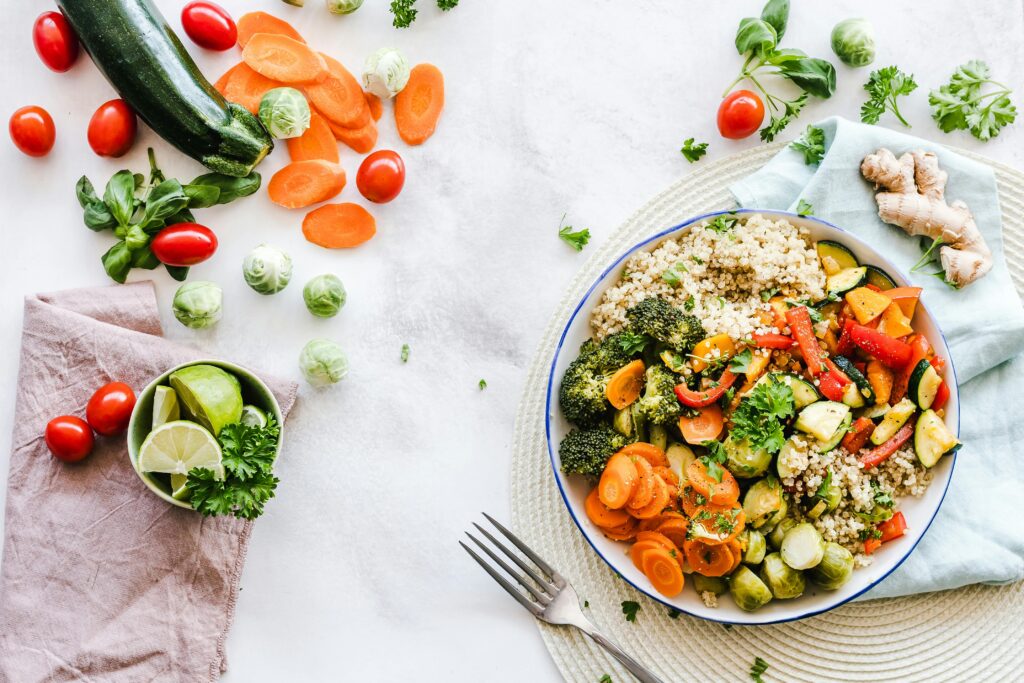
Focus on whole, nutrient-dense foods rather than processed alternatives. Leafy greens, berries, nuts, seeds, lean proteins like fish and legumes, whole grains like oats and brown rice, and healthy fats from avocados and olive oil should form the foundation of meals during recovery.
These foods provide sustained energy, reduce cravings by stabilizing blood sugar, and support the gut microbiome, which plays a direct role in mood regulation through its production of serotonin. Cutting processed foods and excess sugar is equally important, as both trigger inflammation and blood sugar spikes that can mimic or worsen cravings.
Mindful Eating in Recovery
Mindful eating means paying attention to what you eat, when you eat, and how food makes you feel. For individuals in recovery, this practice serves multiple purposes. It helps identify emotional triggers that lead to impulsive or comfort eating. It rebuilds a healthy relationship with food after years of neglect or disorder. And it provides a daily practice of awareness and intentionality that reinforces the broader skills being developed in treatment.
The act of planning, preparing, and cooking meals also provides structure and routine, both of which are critical during early recovery. It creates a sense of accomplishment and gives individuals something productive to focus on during the hours that might otherwise feel empty or triggering.
Overcoming Nutritional Challenges
Recovery does not happen in ideal conditions. Many individuals face barriers to healthy eating including limited cooking skills, tight budgets, food accessibility issues, and deeply ingrained habits of emotional eating or meal skipping.
Start with what is manageable. Meal prepping a few days of food at a time removes the daily decision-making that leads to poor choices. Learning even basic cooking skills creates independence and reduces reliance on processed convenience foods. For individuals in intensive outpatient programs or sober living, group cooking and shared meals can build community while making healthy eating more practical and enjoyable.
How Nutrition Fits Into Treatment
Nutrition is most effective when it is treated as a core component of the treatment plan rather than an afterthought. Programs that integrate nutritional guidance alongside clinical therapy, group support, and structured programming give individuals a more complete foundation for recovery.
The connection between what you eat and how you feel is not abstract. It is measurable, immediate, and within your control. Making intentional food choices is one of the most practical things you can do every day to support your sobriety and your overall health.

Taking the Next Step
Nutrition alone does not treat addiction, but it gives your brain and body the best possible conditions to heal while professional treatment does the rest. If you or someone you know is exploring recovery options, contact Faith Recovery or call (562) 881-2322 for a confidential consultation.
Frequently Asked Questions
How Soon Does Nutrition Make a Difference in Recovery?
Most people notice improved energy, mood stability, and mental clarity within the first few weeks of consistent dietary changes. Long-term benefits like reduced cravings and stronger emotional resilience build over months of sustained healthy eating.
Can Supplements Replace a Healthy Diet?
No. Supplements can fill specific gaps, but they cannot replicate the full range of nutrients, fiber, and bioactive compounds found in whole foods. A balanced diet should always be the foundation, with supplements used only to address confirmed deficiencies under professional guidance.
How Do I Manage Sugar Cravings During Recovery?
Sugar cravings are common in early recovery, especially for individuals who used alcohol, because the body is looking for a replacement source of quick energy. Eating balanced meals with adequate protein and healthy fats stabilizes blood sugar and reduces the intensity of cravings over time. Fruit is a good substitute when a sweet craving hits.