Art therapy gives people in addiction recovery a way to process emotions that are difficult to put into words. Through drawing, painting, sculpting, and collage, individuals can externalize internal experiences, confront painful feelings, and build self-awareness in a setting that feels less intimidating than traditional talk therapy.
How Art Therapy Works in Recovery
Art therapy is not about artistic skill. It is about using the creative process as a tool for emotional exploration. Participants are encouraged to create freely without judgment or expectation, and the work that results becomes a starting point for conversation with a trained therapist.
The approach draws on multiple therapeutic frameworks, including cognitive behavioral and humanistic models, to help individuals connect their creative expression to the thought patterns and emotional responses that drive substance use. For people who struggle to articulate what they are feeling, art provides an alternative language that can unlock insights that verbal therapy alone may not reach.
Benefits of Art Therapy
The most immediate benefit is emotional release. Addiction often involves years of suppressed or unprocessed emotions, and art therapy creates a safe, non-threatening space to begin working through them. This process builds self-awareness and helps individuals identify the feelings and experiences that contribute to their substance use.
Art therapy also builds emotional resilience. The act of creating can be meditative, promoting mindfulness and reducing stress. Completing a piece of work, no matter how simple, reinforces a sense of accomplishment and strengthens identity beyond addiction. Over time, these small moments of focus and achievement compound into a meaningful shift in how individuals see themselves and their capacity for change.
The American Art Therapy Association recognizes art therapy as an established mental health profession that integrates creative process with psychotherapeutic techniques to improve emotional well-being.
Techniques Used in Art Therapy
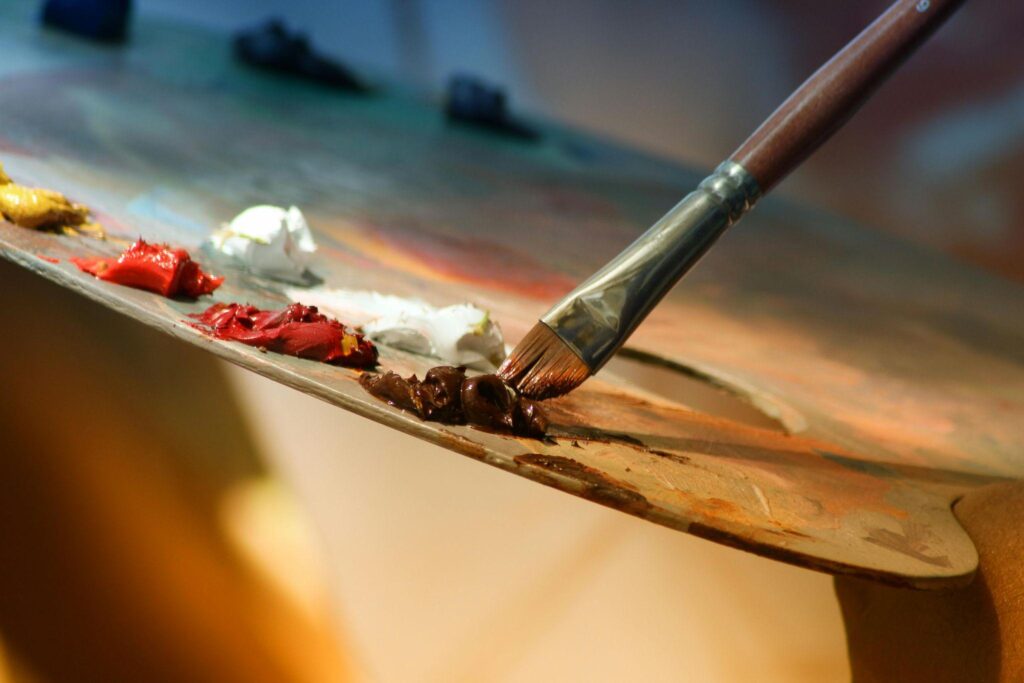
Drawing and painting. These are the most accessible entry points. They allow individuals to visualize emotions, map out experiences, and express feelings that resist verbal description.
Sculpting. Working with clay or other three-dimensional materials adds a tactile dimension to the process, which can be grounding for individuals experiencing high levels of anxiety or emotional overwhelm.
Collage. Assembling images and materials into a composition helps individuals organize complex feelings into something tangible. It is especially useful for people who feel intimidated by drawing or painting from scratch.
These techniques are not used in isolation. A trained art therapist tailors the approach to each individual’s needs, integrating creative work with clinical conversation to support deeper processing and insight.
How Art Therapy Fits Into Treatment
Art therapy works best as a complement to clinical care, not a replacement for it. When integrated into outpatient treatment programs that include individual counseling, group therapy, and evidence-based modalities like CBT, art therapy adds a dimension that strengthens the overall treatment experience.
It is especially effective in group settings, where shared creative work builds connection, trust, and community among participants. For individuals in sober living environments, art therapy can become a regular practice that supports emotional processing and stress management during the transition to independent living.
Taking the Next Step
Art therapy provides a creative path to emotional healing that meets people where they are, regardless of artistic experience or ability. If you or someone you know is exploring treatment options, contact Faith Recovery or call (562) 881-2322 for a confidential consultation.
Frequently Asked Questions
Do I Need Artistic Experience to Participate?
No. Art therapy is about the process of creating, not the quality of the result. No prior experience or skill is required. The focus is entirely on emotional expression and personal insight in a supportive, non-judgmental environment.
How Long Does an Art Therapy Session Last?
Sessions typically last between 60 to 90 minutes, allowing enough time to engage meaningfully with the creative process and discuss what emerged with the therapist.
Can Art Therapy Be Used Alongside Other Therapies?
Yes. Art therapy is most effective when combined with clinical approaches like cognitive behavioral therapy, group counseling, and individual therapy. It complements these modalities by offering a non-verbal pathway to emotional processing.